KNOW WHAT’S HAPPENING ABOVE YOUR HEAD
A Roof Inspection Should Give You Answers.
You shouldn’t have to guess whether your roof needs a repair, replacement—or nothing at all.
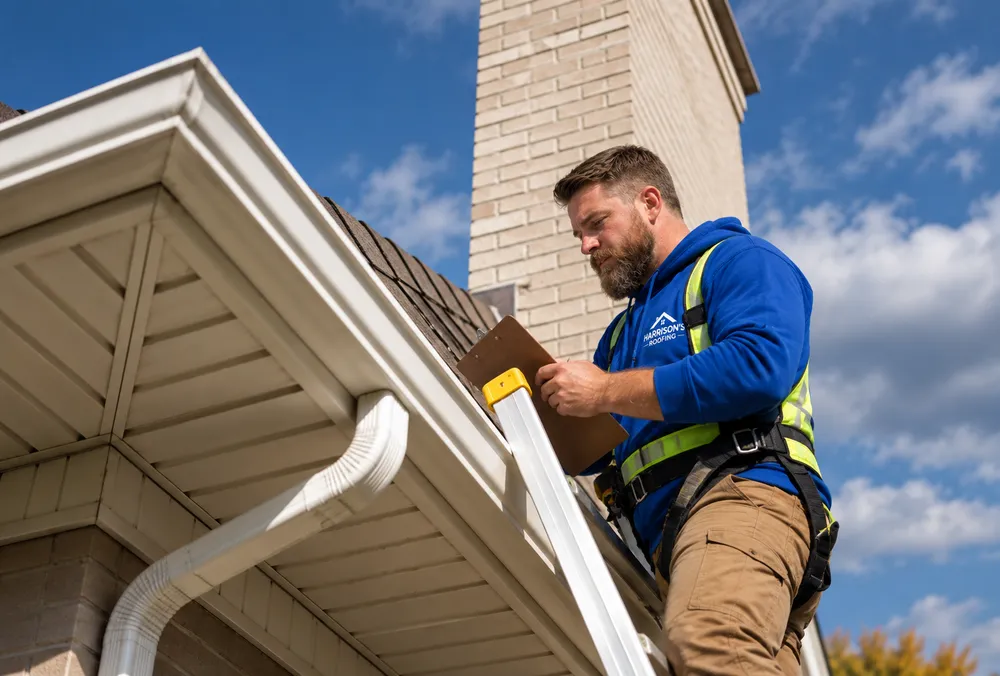
Harrison’s Roofing provides professional roof evaluations designed to help you understand the condition of your roofing system, identify visible areas of concern and determine the right next step for your property.
Residential • Commercial • Storm Damage • Roof Leaks • Ventilation
Sometimes the Most Important Roofing Problems Aren’t Visible From the Ground.
Missing shingles are easy to notice.
Other roofing problems aren’t.
Lifted shingles, deteriorated flashing, damaged pipe boots, failing sealants, hail impacts, ventilation problems and early signs of moisture intrusion can be difficult to see without getting a closer look.
A professional roof inspection helps replace uncertainty with information.
We Look at More Than the Shingles.
A roof is a system. Every component matters.

ROOFING MATERIAL
We evaluate the visible condition of shingles, metal panels, membranes or other roofing materials for deterioration, damage and areas of concern.
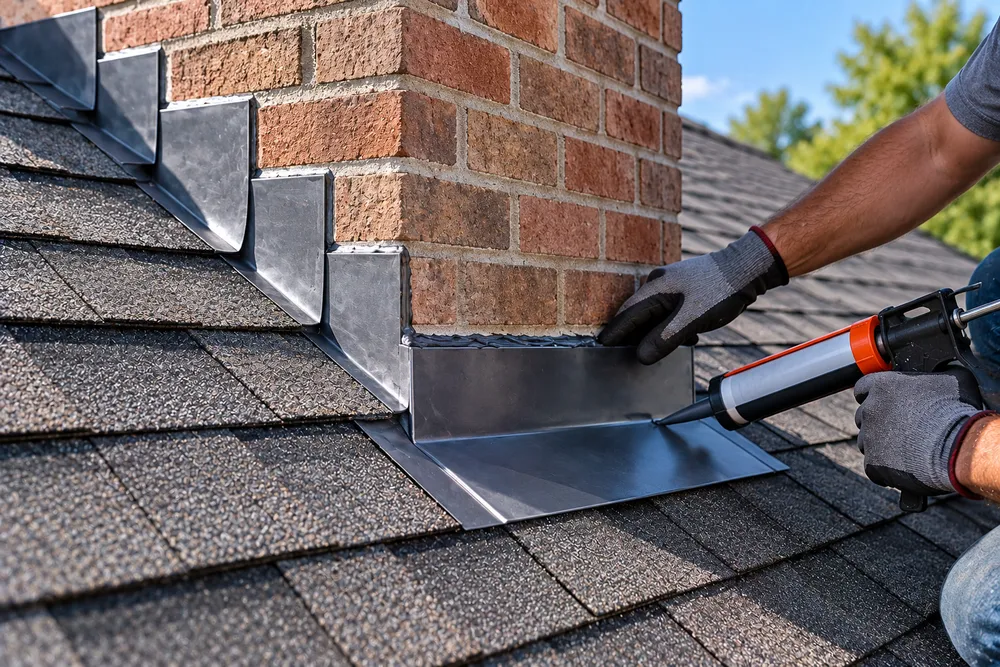
FLASHING
We look at flashing around walls, valleys, chimneys, roof transitions and other vulnerable areas.
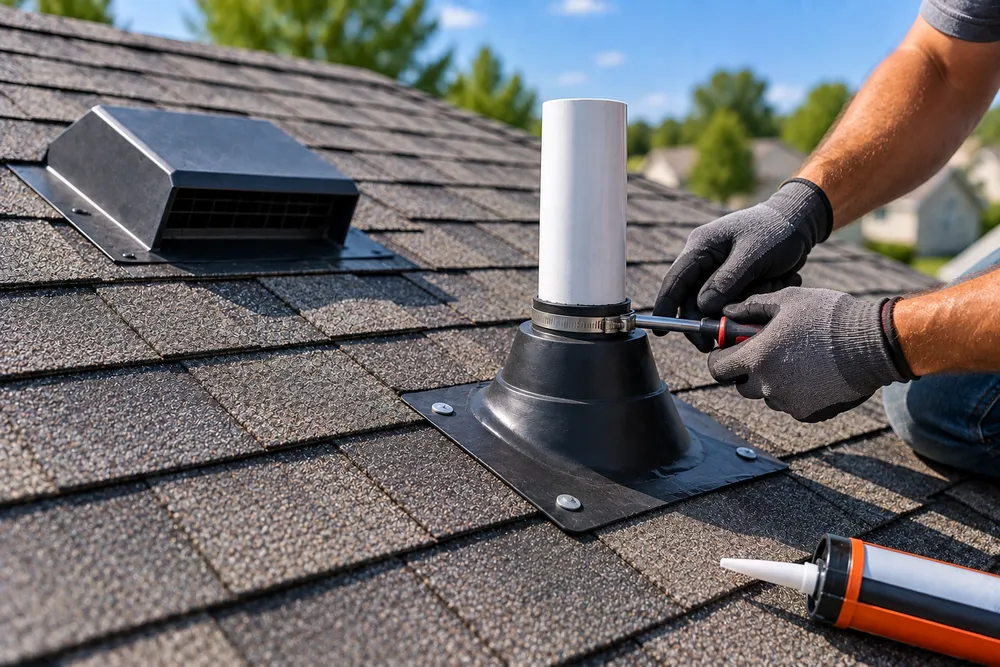
PIPE BOOTS & PENETRATIONS
Vents, pipes, skylights and other roof penetrations require proper waterproofing.
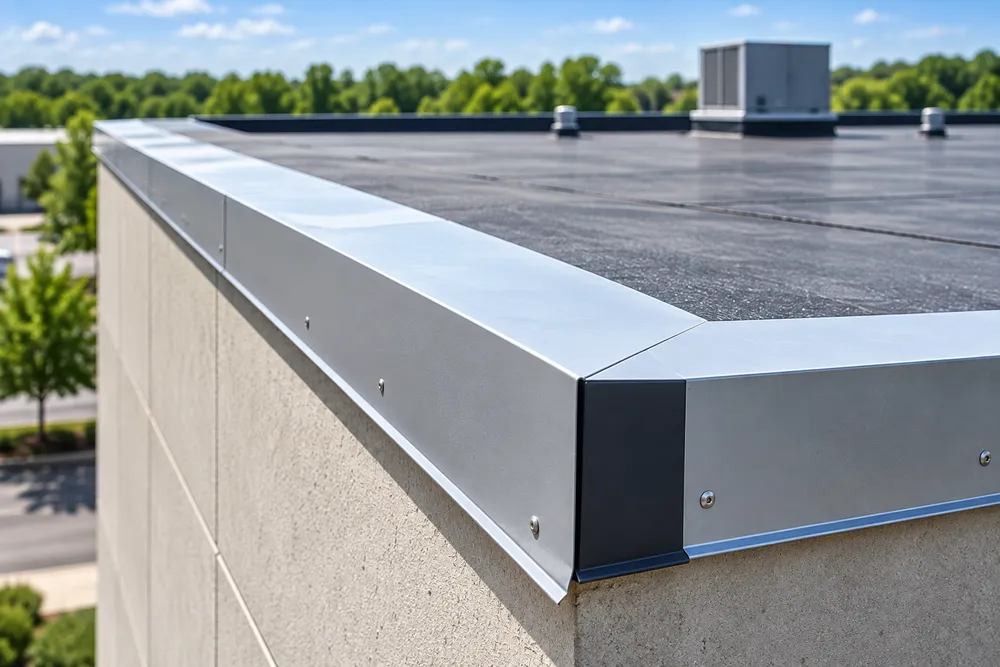
ROOF EDGES
Drip edges, eaves, rakes and perimeter details can reveal weather exposure or installation concerns.
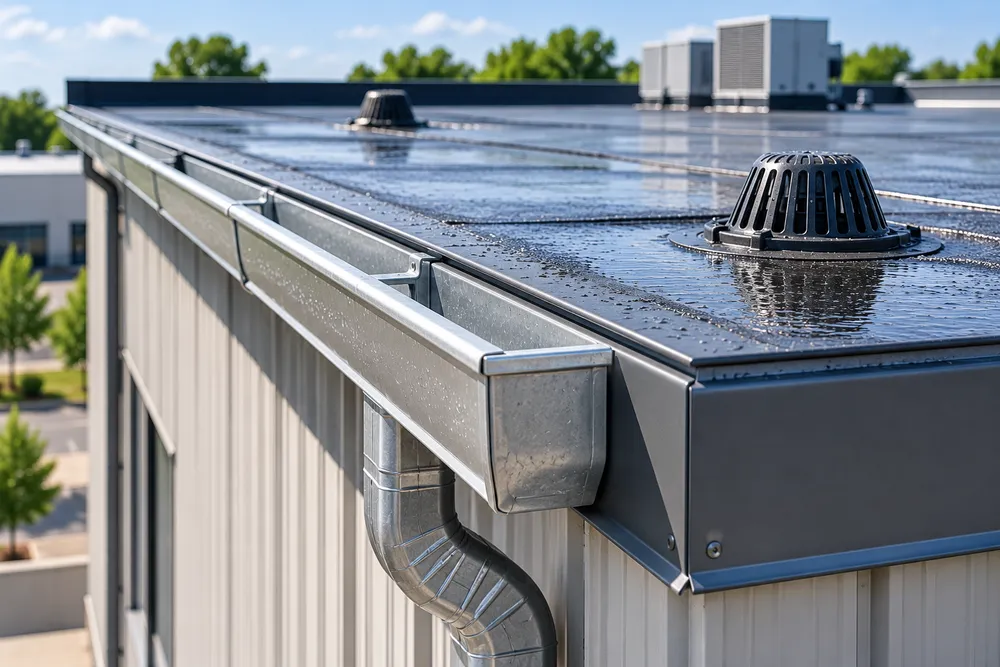
GUTTERS & DRAINAGE
We look for visible signs that water may not be moving properly away from the roofing system.
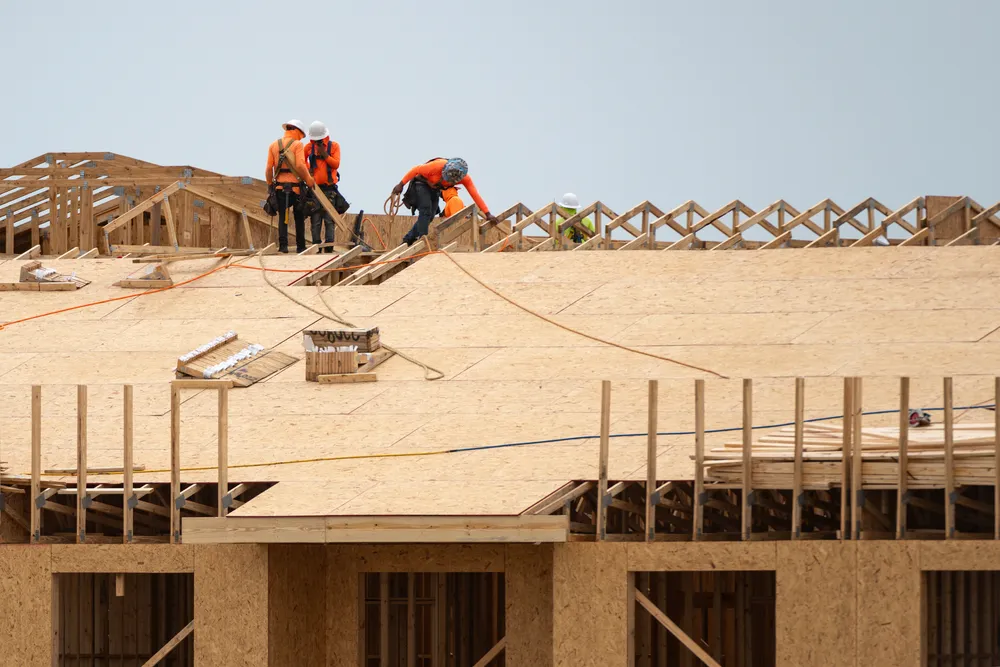
ROOF DECKING
Where visible or accessible, signs of deterioration or movement may indicate problems below the surface.

ATTIC & MOISTURE SIGNS
When appropriate and accessible, attic conditions can provide clues about leaks, moisture or ventilation concerns.
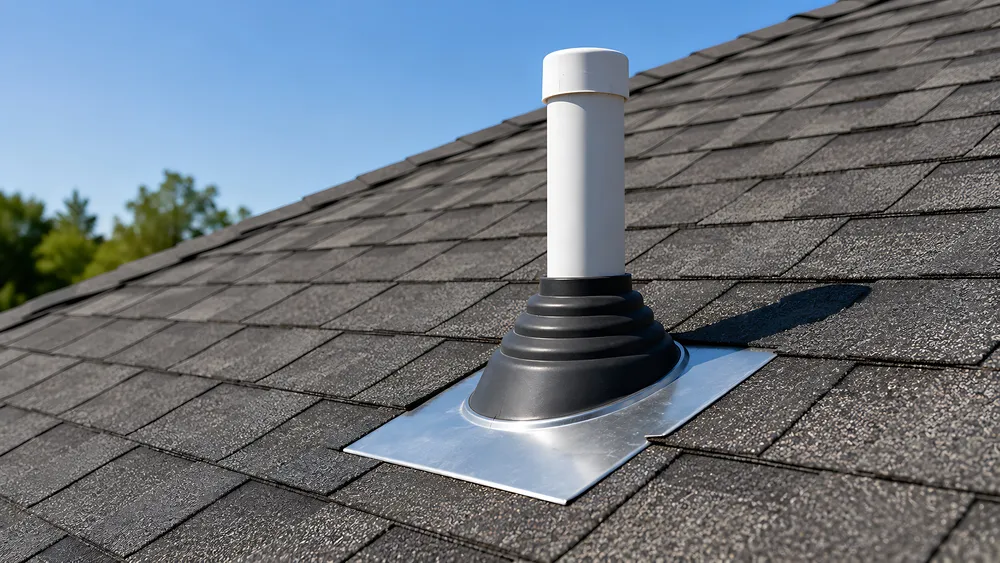
VENTILATION
At Harrison’s Roofing, ventilation is part of the roof evaluation.
What Does a Roof Inspection Actually Look At?
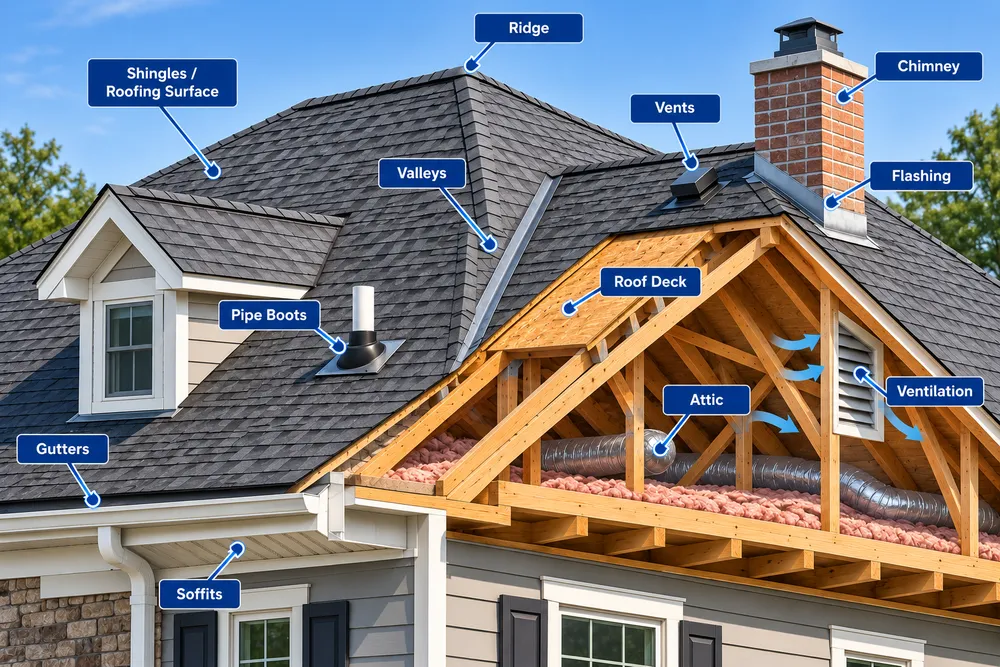
A roofing problem isn’t always limited to the visible surface. Understanding how the roof, flashing, drainage and ventilation work together can help determine what’s actually causing the issue.
When Is It Time to Have Your Roof Checked?
AFTER A STORM
Wind, hail and severe weather can damage roofing materials even when everything appears normal from the ground.
WHEN YOU FIND A LEAK
Water stains or dripping inside the home mean the source should be investigated as soon as practical.
WHEN YOUR ROOF IS AGING
An evaluation can help you understand its present condition and begin planning before an emergency occurs.
BEFORE BUYING A HOME
The condition of the roof can significantly affect future maintenance and replacement costs.
BEFORE SELLING A HOME
Knowing about roofing concerns ahead of time can help avoid surprises during a buyer’s inspection.
WHEN SOMETHING JUST DOESN'T LOOK RIGHT
Curling shingles, missing shingles, sagging areas, damaged flashing or unexplained debris in gutters are all reasons to take a closer look.
The Storm Passed. That Doesn’t Mean Your Roof Is Fine.
Wind and hail damage aren’t always obvious from your yard.
After significant weather, a professional roof inspection can help identify visible storm-related damage and document what is found.
HAIL IMPACTS
LIFTED OR MISSING SHINGLES
FLASHING DAMAGE
DEBRIS / TREE DAMAGE
Harrison’s Roofing can inspect and document visible roofing damage, but your insurance company determines coverage under your policy.
Not Every Roof Inspection Ends With a New Roof.
REPAIR
A localized problem may only require a targeted repair.
Examples:
- Missing shingles
- Damaged flashing
- Pipe boot problems
- Minor storm damage
- Isolated leaks
REPLACEMENT
Your content goes here. Edit or remove this text inline or in the module Content settings. You can also style every aspect of this content in the module Design settings and even apply custom CSS to this text in the module Advanced settings.
NO IMMEDIATE WORK
Sometimes the answer may simply be:
Your roof still has useful life left.
The goal of an inspection should be to understand the roof—not to manufacture a sale.
Ventilation Is Part of Every Roof Evaluation.
A roofing system does more than keep rain out—it also needs proper airflow.
Adequate attic and roof ventilation helps manage excess heat and moisture that can contribute to condensation, moisture buildup, deterioration of roof decking and uncomfortable attic temperatures.
At Harrison’s Roofing, ventilation isn’t an afterthought. It’s part of our roof evaluation.
When we evaluate your roof, we look beyond the shingles or roofing surface to consider how the complete system is functioning.
Because a quality roof isn’t just about what you can see from the outside.
The goal of an inspection should be to understand the roof—not to manufacture a sale.
Sometimes the Roof Tells Us More From the Inside.
When attic access is appropriate and available, interior conditions may provide additional clues about the roofing system.
Look for:
Water staining
Damp or deteriorated decking
Visible daylight through unexpected openings
Condensation
Insulation concerns
Inadequate airflow
Mold-like staining or moisture indicators
These are a few indicators that may warrant further evaluation.
You Should Be Able to See What We See.

Most homeowners never climb onto their roofs—and they shouldn’t have to.
When practical, photographic documentation can help show you areas of concern so you’re not simply being told that something is wrong.
SEE THE PROBLEM.
UNDERSTAND THE RECOMMENDATION.
MAKE AN INFORMED DECISION.
We’ll explain what we find and show you visible areas of concern whenever practical.
Buying or Selling a Home?
A standard home inspection covers many components of the property, but sometimes a roof deserves a closer look from a roofing professional.
BUYERS
A roof evaluation may help you better understand the roofing system’s current condition and potential future needs.
SELLERS
Knowing about roofing issues before listing or before a buyer’s inspection can give you time to make informed decisions.
A contractor roof evaluation is not a substitute for a licensed whole-home inspection.
Roof Inspections for Commercial Properties
Property owners and facility managers should not have to wait for ceiling stains to find out that there’s a roofing problem.
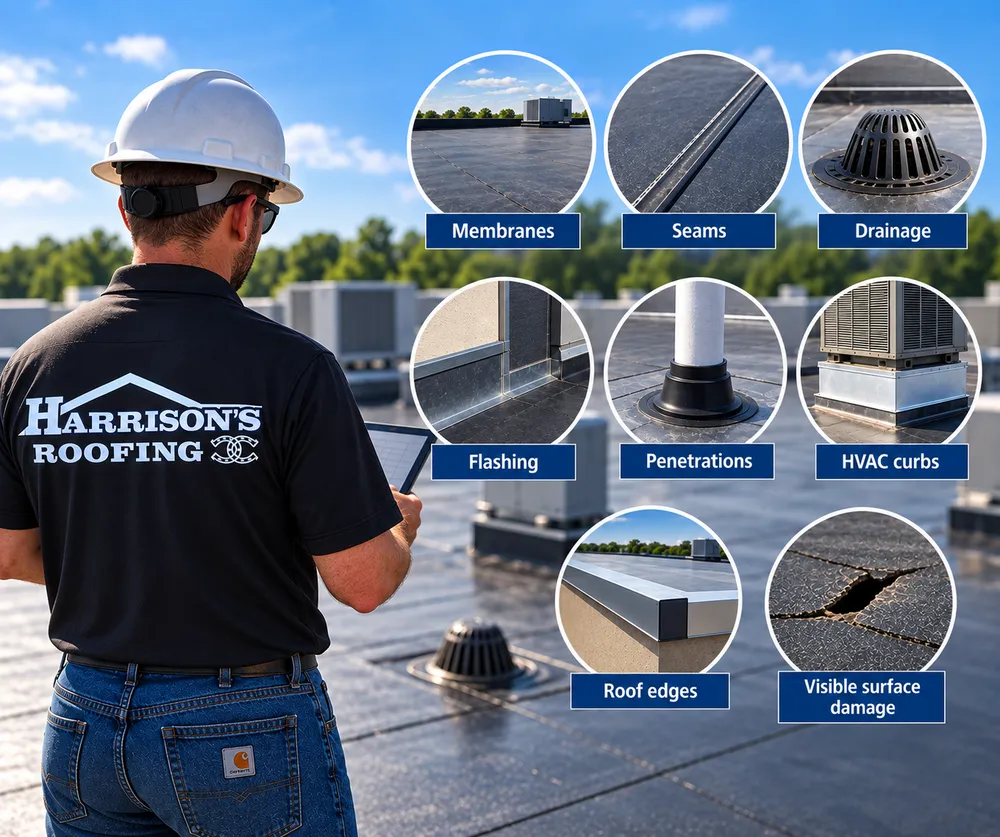
Harrison’s Roofing can evaluate visible conditions on commercial and low-slope roofing systems, including:
Membranes
Seams
Drainage
Flashing
Penetrations
HVAC curbs
Roof edges
Visible surface damage
What to Expect
01
TALK WITH YOU
We start by understanding what you’ve noticed—leaks, storm concerns, roof age or other symptoms.
02
EVALUATE THE ROOF
We inspect accessible roofing components and visible areas of concern.
03
LOOK AT THE SYSTEM
Depending on the property and concern, that may include flashing, drainage, penetrations, ventilation and accessible interior or attic conditions.
04
SHOW YOU WHAT WE FOUND
We’ll explain visible concerns and, when practical, show you what we’re seeing.
05
DISCUSS THE NEXT STEP
Repair, replacement, continued monitoring—or possibly no immediate roofing work.
No guessing. No mystery. Just a clearer understanding of your roof.
What Roofing Problems Look Like
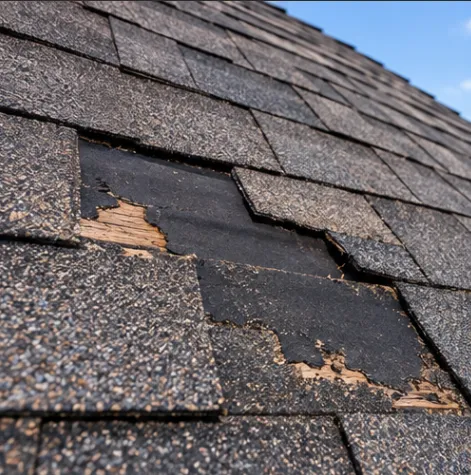
MISSING SHINGLES
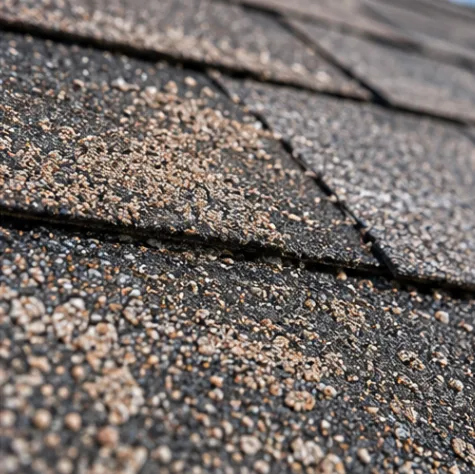
GRANULAR LOSS
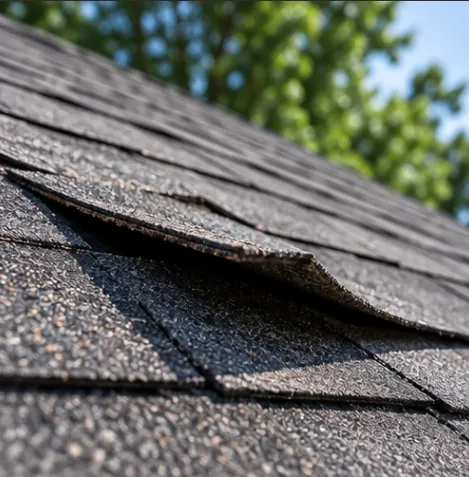
LIFTED SHINGLES
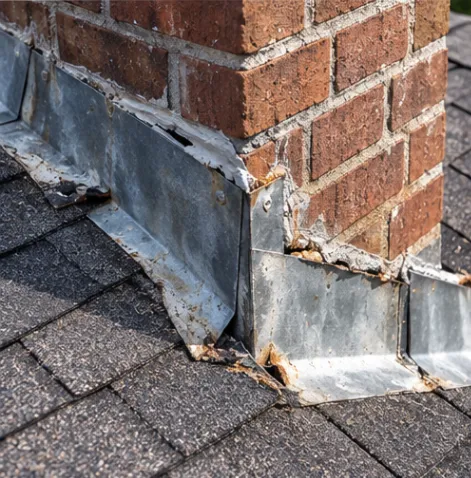
DAMAGED FLASHING
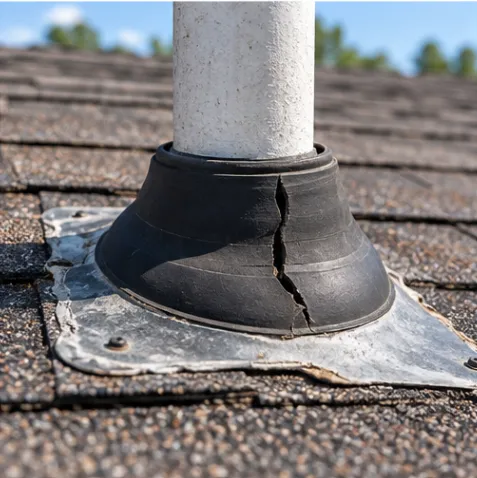
CRACKED PIPE BOOT
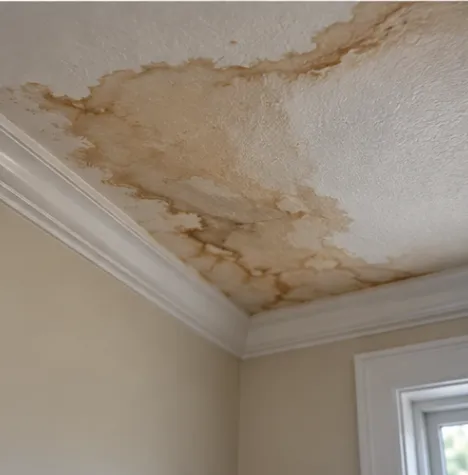
WATER STAINING
Don’t Wait for a Leak to Think About Your Roof.
There isn’t a universal inspection schedule that applies to every roof, but periodic evaluations can be useful—particularly for older roofing systems, commercial properties and roofs that have recently experienced severe weather.
You should also consider an evaluation when:
A major storm has passed
You notice visible roof changes
You find water staining
You’ve had work performed around rooftop penetrations
You’re planning to buy or sell
Your roof is approaching an age where replacement may become a consideration
FAQ
What does a roof inspection include?
A professional roof inspection looks at more than just the shingles. At Harrison’s Roofing, we evaluate the visible and accessible components of the roofing system to identify damage, deterioration and areas that may need attention.
Depending on the roof and accessibility, an evaluation may include the roofing surface, ridge, valleys, flashing, vents, pipe boots and other penetrations, roof edges, gutters, drainage and ventilation. When appropriate and accessible, interior or attic conditions may also provide important information about moisture or ventilation concerns.
Our goal is to understand how the roofing system is performing—not simply look for a reason to replace it.
How long does a roof inspection take?
The time required depends on the size, slope, complexity and accessibility of the roof, as well as the reason for the inspection.
A straightforward residential roof may take considerably less time to evaluate than a large commercial property or a complex roof with multiple levels, valleys, dormers, chimneys and penetrations.
We believe a roof evaluation should take the time necessary to properly assess the areas of concern rather than simply rushing through a checklist.
How much does a roof inspection cost?
Harrison’s Roofing offers free standard roof evaluations for homeowners and property owners who are concerned about the condition of their roof or believe roofing work may be needed. Contact us to schedule your evaluation.
Do I need to be home during the inspection?
Not necessarily, depending on the property and what needs to be evaluated. However, being available can be helpful because it gives you an opportunity to show us water stains, leaks or other concerns you’ve noticed inside the home.
If attic or interior access is needed, someone will generally need to provide access to those areas.
Can you inspect my roof after a storm?
Yes. A roof evaluation after significant wind, hail or severe weather can help identify visible damage that may not be obvious from the ground.
We may look for concerns such as missing or lifted shingles, hail impacts, damaged flashing, affected roof penetrations, debris damage and other visible storm-related conditions.
If you suspect storm damage, don’t climb onto the roof yourself. Have it evaluated safely.
Can roof damage be present even if I don't have a leak?
Yes. A roof doesn’t have to be actively leaking inside your home to have damage.
Wind can loosen or lift shingles, hail can affect roofing materials, flashing can deteriorate and pipe boots or other components can begin failing before water becomes visible inside.
Finding a concern before it becomes an interior leak can provide more options for addressing it.
Will you inspect my attic?
When appropriate, safe and accessible, an attic evaluation can provide valuable information about what’s happening beneath the roof.
The attic may reveal water staining, damp decking, condensation, ventilation concerns or other visible conditions that can’t be seen from the exterior.
Do you check roof ventilation?
Yes—ventilation is an important part of evaluating the complete roofing system.
Proper attic and roof ventilation helps manage heat and moisture. Inadequate ventilation can contribute to condensation, moisture accumulation and conditions that may affect the roof assembly.
At Harrison’s Roofing, ventilation isn’t an afterthought. It’s part of our roof evaluation.
We look beyond the roofing surface to consider how the components of the roofing system work together.
Can you tell whether my roof needs repair or replacement?
That’s one of the primary reasons to have the roof evaluated.
A localized problem may be repairable, while widespread deterioration, extensive damage or recurring problems may make replacement a more practical option.
We consider factors such as the location and extent of damage, overall roof condition, roofing material, previous repairs and visible condition of related components before discussing your options.
And sometimes, no immediate roofing work may be necessary.
Can you inspect a roof that is difficult or unsafe to walk?
Potentially, yes—but safety comes first.
Some roofs may be too steep, wet, icy, deteriorated or otherwise unsafe to physically walk. In those situations, alternative evaluation methods may sometimes be appropriate depending on the property and available equipment.
A professional roofer should never walk a roof simply because an inspection was requested if conditions make doing so unsafe.
Can you inspect a roof before I buy a home?
Yes, a roofing contractor’s evaluation can provide additional information about a roof when you’re considering purchasing a property.
This can be especially helpful if a general home inspection identifies a roofing concern or recommends further evaluation by a roofing professional.
However, a roofing evaluation is not a substitute for a licensed whole-home inspection.
Depending on the roof and accessibility, an evaluation may include the roofing surface, ridge, valleys, flashing, vents, pipe boots and other penetrations, roof edges, gutters, drainage and ventilation. When appropriate and accessible, interior or attic conditions may also provide important information about moisture or ventilation concerns.
Our goal is to understand how the roofing system is performing—not simply look for a reason to replace it.
Do you inspect commercial roofs?
Yes. Harrison’s Roofing evaluates residential and commercial roofing systems.
Commercial roof evaluations may include visible conditions involving the roofing membrane or surface, seams, flashing, roof edges, penetrations, drainage, HVAC curbs and other accessible roofing components.
For flat and low-slope properties, drainage is particularly important because the roofing system must properly manage and direct water away from the roof.
Can you inspect metal roofing?
Yes. Metal roofing requires a different inspection approach than asphalt shingles.
Depending on the metal roofing system, we may evaluate visible conditions involving panels, seams, fasteners, flashing, penetrations, sealants, transitions, roof edges and signs of corrosion or physical damage.
Standing seam and exposed-fastener metal roofs also have different components that need to be considered during an evaluation.
Can you inspect flat roofing?
Yes. Flat and low-slope roofing systems have unique areas that require attention.
An evaluation may include the roofing membrane, seams, flashing, penetrations, drains, scuppers, parapet walls, HVAC curbs, roof edges and visible signs of ponding or membrane damage.
A flat roof isn’t just about the membrane.
Drainage and detailing are critical parts of the system.
What happens if you find storm damage?
We’ll explain the visible conditions we find and discuss appropriate next steps.
If you believe the damage may be covered by your property insurance, you can contact your insurance company to discuss your policy and the claims process.
Harrison’s Roofing can identify and document visible roofing damage, but your insurance carrier determines whether damage is covered under your policy and the amount of any covered loss.
Will you provide photographs of the roof?
Yes. When practical, we can use photographs to show you visible areas of concern so you can better understand what we’re seeing and why we’re making a particular recommendation.
How often should my roof be inspected?
There isn’t one inspection schedule that’s right for every roof.
The appropriate frequency can depend on the age and type of roofing system, previous problems, surrounding conditions, manufacturer requirements and exposure to severe weather.
It’s especially wise to consider a professional roof evaluation when you notice changes, experience a leak, have an aging roof or after significant wind, hail or severe weather.
For commercial properties, periodic roof evaluations can also be an important part of preventative maintenance.
Should I have my roof inspected before filing an insurance claim?
If you suspect storm damage but aren’t sure what happened, having the roof evaluated can help you better understand its visible condition before deciding what to do next.
A roofing contractor can identify and document visible damage, but shouldn’t determine whether your insurance policy covers the loss. Coverage decisions belong to your insurance company.
If you have active water intrusion or significant damage, take reasonable steps to protect the property and contact your insurer promptly as appropriate.
Will a roof inspection automatically result in a recommendation for a new roof?
No. Not every roofing problem requires a roof replacement.
Some problems may be localized and repairable. Other roofs may still have useful service life remaining and require no immediate work.
When replacement is appropriate, we’ll explain why. When a repair makes sense, we’ll discuss that option as well.
The purpose of a roof evaluation is to find out what your roof needs—not to assume it needs to be replaced.
YOU DON’T HAVE TO GUESS ABOUT YOUR ROOF.
Get Answers Before a Small Problem Becomes a Bigger One.
Whether you’re concerned about a leak, storm damage, an aging roof or simply want to better understand your roof’s condition, Harrison’s Roofing can help you determine the next step.